


Skip to content

Spot Trading in Crypto Explained

mm Sarah Blackwell 7 min read

What Is Spot Trading in Crypto?

Five Takeaways Before You Trade

  • Ownership is real: you hold the asset after the fill, not a derivative or contract.
  • Market orders buy speed, but they also buy uncertainty through slippage.
  • Limit orders buy control, but they can miss fills in fast moves.
  • Fees are not just the fee: spreads, maker/taker rates, and withdrawal network costs all matter.
  • If your platform won't show the order book, you're paying for convenience.

Execution Quality Matters

The best spot trading experience is the one that tells you the truth: current bid/ask, order-book depth, and exactly whether you're paying maker or taker. When you use an advanced interface, you're typically interacting with a central limit order book.

That matters because it turns trading from accepting a quote into placing an instruction. The more liquid the pair, the tighter the spread and the less you bleed on entry and exit.

You choose a pair (for example, BTC/USD) and an order type. Your order either takes liquidity immediately (taker) or rests on the book (maker).

The exchange matches fills against existing orders; partial fills are common in thin markets. The platform charges the fee rate in effect when the order is placed, not after.

Your filled amount becomes a spot position you can hold, transfer, or sell. This step-by-step clarity is what separates a proper trading venue from a black-box simple buy flow.

Cost and Fees Breakdown

Where marketing and reality diverge—understanding the full price of execution

Fees are where marketing and reality diverge. Coinbase's own disclosures explain the key split: simple buy/sell includes a spread in the quoted price, while Coinbase Advanced does not include a spread because you're interacting directly with the order book. That difference is why buying fee conversations are so messy.

For Coinbase's advanced trading, the public guidance is straightforward: fees are volume-based and can be as high as 0.4% maker and 0.6% taker at the low-volume end, with lower rates at higher volumes. On Coinbase Exchange's published schedule, the lowest tier lists 0.40% maker and 0.60% taker.

Kraken's spot fee schedule is also explicit. For its Spot Crypto tier 1, maker is 0.40% and taker is 0.80% (with better rates as volume rises). Gemini's ActiveTrader schedule is harsher at the entry level: maker 0.60% and taker 1.20% at the lowest tier. Fidelity Crypto is the bluntest of all: a flat 1% fee for buy and sell transactions.

If you're still using the retail-style fee model, Coinbase's U.S. user agreement notes that for transactions involving crypto valued under $200, the Coinbase Fee will not exceed $10. This cap can be meaningful for small trades but is less relevant for active execution.

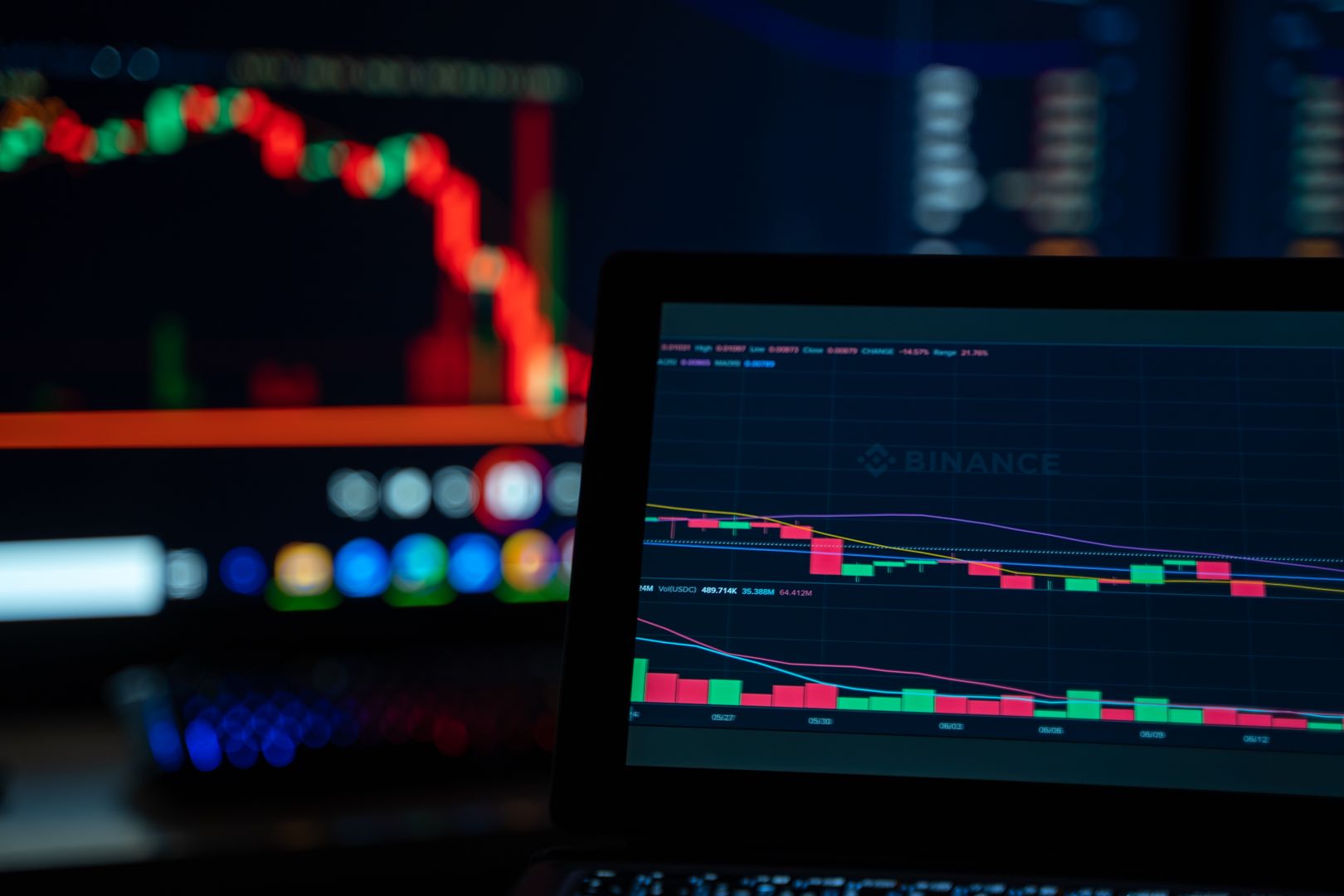
Advanced order book view shows real-time bid/ask spreads and depth

Security and Custody Controls

Ownership is a privilege, not a vibe—demand control over your holdings

Protecting Your Spot Holdings

Spot trading is only spot in a meaningful sense if you can control custody. That doesn't mean everyone needs to self-custody immediately, but you should demand basic controls: strong two-factor authentication, withdrawal allowlists/whitelisting, and time-delayed vault-style withdrawals where available.

Coinbase's Advanced documentation highlights features like a vault and hardware-key support; Gemini and Kraken have long leaned into security posture. The trade-off is friction: tighter security usually means slower withdrawals and more identity checks.

For serious balances, that friction is a feature. The platforms that make it easiest to move funds quickly are often the ones that also make it easiest for an attacker to move your funds.

Set up withdrawal allowlists as soon as you open an account. Configure vault withdrawals for long-term holdings. Enable hardware-key authentication if your platform supports it. These steps add minutes to your setup but can save you from catastrophic loss.

Platform Picks

Platform Picks

For U.S. traders in 2026, Coinbase Advanced is the best all-around spot trading environment you can recommend without apologizing, Kraken is the most consistently trader-built, and Binance.US is the fee outlier worth considering if it supports your pairs with adequate liquidity. If you're paying a flat 1% per side, you're not getting a better spot trade—you're just buying convenience at institutional prices.

Platform-by-Platform Breakdown

Ranked picks for fee efficiency, transparency, and execution quality

Top Spot Trading Platforms

Binance.US

As of its April 22, 2026 announcement, Binance.US advertised 0% maker and 0.02% taker spot trading fees on advanced spot pairs, from the first trade. That's unusually aggressive. The catch is not the fee—it's whether the pairs you want have the liquidity you need, and whether you're comfortable depending on a single venue for execution. Best for fee efficiency.

Coinbase Advanced

If you want a mainstream platform with a true order book and clear maker/taker logic, Coinbase Advanced is the most widely used on-ramp that still behaves like a trading venue. Its low-volume fee guidance caps at 0.4% maker / 0.6% taker, and the experience is strong for charting and order placement. The weakness: the simple flow can be materially more expensive, which is why beginners often overpay. Best overall balance.

Kraken

Kraken's fee schedule is easy to audit and the trading experience is clean. Entry-tier spot fees (0.40% maker / 0.80% taker) are not the cheapest, but the platform tends to feel engineered for execution rather than for upsells. The interface is straightforward and the security posture is strong. Best for trader-first UX.

Pre-Trade Essentials

Before you click buy, run through this checklist. Each item prevents a common mistake that costs money. Screenshot your trade preview for your records—this single habit can resolve disputes and catch errors before they become losses.

  1. Confirm you're on the order book interface (not simple buy)

  2. Identify maker vs. taker behavior for your order

  3. Check your current fee tier and the quoted fee

  4. Look at spread and depth for your size

  5. Set a limit price when slippage risk is high

  6. Verify withdrawal settings (allowlist/vault if available)

mm

Sarah Blackwell

Trading Analyst

Sarah leads the CryptoVault review team with a background in financial technology journalism and hands-on crypto trading since 2015. She develops testing methodologies and ensures all reviews maintain strict objectivity and accuracy standards.